Pet-safe pest control methods for a safer home
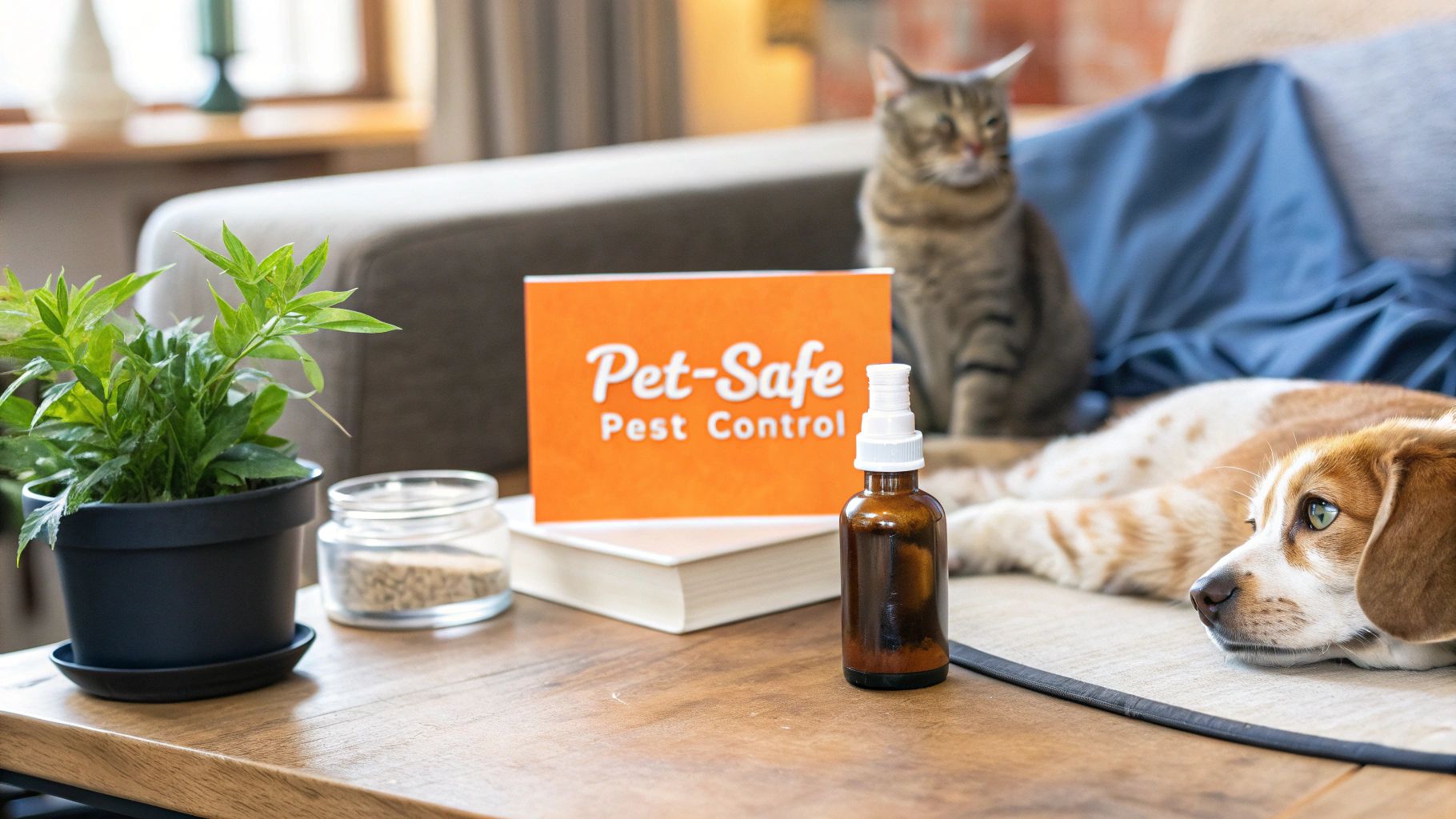
Think you need strong chemicals to kill pests? You might be wrong. Many people grab the harshest spray they can find. They think it is the only way. But this can be a bad idea. Especially with pets and children at home. Harsh chemicals can be dangerous. The good news is, you have better options.
Many safe methods work very well. You don't have to choose between a pest-free home and your pet's safety. There are natural minerals that kill bugs. There are tiny helpers that eat pests. This guide will show you the best pet-safe pest control methods. We will explain how to use them safely. If your pest problem is too big or you need help now, talking to an expert is the best choice. For a free chat with a local pest control expert, Call +1 855 224 3071 anytime. They can give you the best advice for your home.
1. Diatomaceous Earth (Food-Grade)
When you think of pest control, you might imagine harsh chemicals. But one of the most effective pet-safe pest control methods is actually a fine, chalk-like powder derived from ancient fossilized algae. Food-grade diatomaceous earth (DE) is a mechanical insecticide, not a chemical one, making it an excellent first line of defense for homes with curious pets and children.
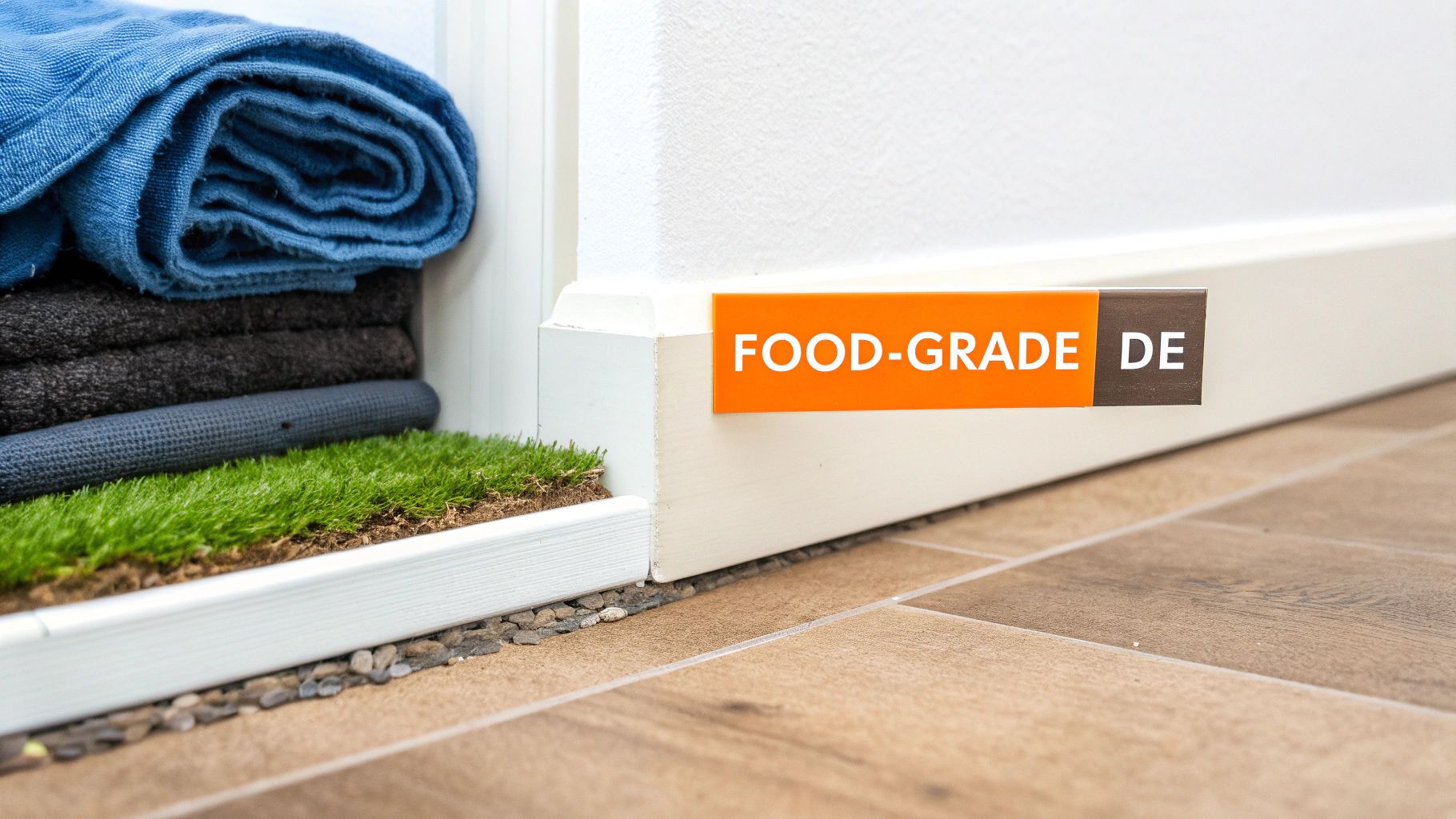
It works physically by absorbing the oils and fats from the exoskeleton of insects like fleas, ants, roaches, and bed bugs. The microscopic, sharp edges of the diatoms scratch the insect's protective outer layer, causing it to dehydrate and die. Since it's not a poison, insects cannot develop a resistance to it.
How to Use Diatomaceous Earth Safely and Effectively
Proper application is key to success with DE. It’s crucial to use only food-grade DE, as pool-grade DE is chemically treated and dangerous if inhaled by pets or humans. Always check the packaging for the "food-grade" label.
Step-by-Step Application:
- Identify Target Areas: Locate pest entry points, trails, and nesting spots. Common areas include window sills, door frames, behind appliances, and cracks in baseboards.
- Apply a Thin Layer: Use a powder duster or shaker to apply a light, even dusting of DE. A thick pile is less effective and can deter pests from crossing it. The goal is a fine layer they will walk through unknowingly.
- Treat Pet Areas: Lightly dust pet bedding, carpets, and furniture where your pets rest. Let it sit for at least 12-24 hours before vacuuming thoroughly.
- Create a Perimeter: Apply a thin line of DE around the foundation of your home to create a barrier against crawling insects.
Important Note: While food-grade DE is non-toxic to ingest, its fine dust can irritate the lungs of both pets and people. Wear a mask during application and keep pets out of the room until the dust has settled completely.
Benefits and Limitations
DE is an affordable and versatile tool in your pest control arsenal. It's successfully used on organic farms and even in some veterinary clinics for flea management. However, its effectiveness has limits. DE must remain dry to work, so it needs reapplication outdoors after rain or indoors in damp areas like basements. It also works best on hard-bodied insects and is not a solution for all pest types. For more ideas on effective, non-toxic solutions, you can explore a guide on creating a homemade insect killer for your home. If you're facing a persistent or large-scale infestation, these DIY methods may not be enough. In such cases, professional intervention is your safest bet. For immediate assistance from a licensed expert, Call +1 855 224 3071 to discuss your options.
2. Essential Oil-Based Repellents
Harnessing the power of scent is a surprisingly effective way to manage household pests without resorting to harsh chemicals. Essential oil-based repellents use potent plant-derived aromas that insects naturally dislike, creating an invisible barrier that encourages them to stay away. Instead of killing pests, these solutions deter them, making this one of the gentler yet effective pet-safe pest control methods for families.

Many common pests, including fleas, ticks, ants, and spiders, navigate and communicate through scent. Essential oils like cedarwood, lavender, peppermint, and lemongrass overwhelm their sensory receptors, making your home an undesirable place for them to nest and forage. This approach disrupts pest behavior rather than poisoning them, offering a much safer environment for your four-legged friends.
How to Use Essential Oil-Based Repellents Safely and Effectively
The key to using essential oils is proper dilution and awareness of your pets' specific sensitivities. Never apply undiluted essential oils directly to surfaces or your pet’s fur, as they are highly concentrated and can cause irritation.
Step-by-Step Application:
- Choose Pet-Safe Oils: Select oils known to be safer for your specific pets. Cedarwood and lavender are generally well-tolerated by dogs. For cats, options are more limited, but rosemary can be used cautiously in heavily diluted forms.
- Create a Diluted Spray: Mix a few drops of your chosen essential oil with water and a small amount of unscented castile soap or vinegar in a spray bottle. A common ratio is 10-15 drops of oil per cup of water.
- Spray Key Areas: Lightly mist areas where pests congregate, such as door frames, window sills, pet bedding (after washing), and baseboards. Avoid spraying directly on your pets.
- Test and Reapply: Always test the spray on a small, inconspicuous area first. Since essential oils evaporate, you will need to reapply the spray every few days or weekly to maintain its repellent effect.
Important Note: Certain essential oils are toxic to pets. Tea tree, eucalyptus, citrus (in high concentrations), and wintergreen oil should be avoided, especially around cats who are particularly sensitive. Always consult your veterinarian before introducing new oils into your home.
Benefits and Limitations
Essential oil repellents are an excellent non-toxic option for preventing minor pest issues and maintaining a fresh-smelling home. Popular products like Wondercide Flea & Tick Spray (cedarwood-based) and Vet's Best Home Spray demonstrate their commercial viability. However, their effectiveness relies on consistent reapplication and they act as repellents, not exterminators. They will not eliminate an established infestation. If pests are already entrenched, a DIY approach may not be sufficient. For more information on creating your own formulas, check out this guide on a safe indoor insect spray. For a serious problem that requires immediate and guaranteed results, professional help is the best path. Call +1 855 224 3071 to connect with a licensed expert who can resolve your pest issue safely.
3. Nematodes (Beneficial Parasites)
The idea of intentionally releasing parasites into your yard might sound alarming, but this is one of the most effective and targeted pet-safe pest control methods available. Beneficial nematodes are microscopic, soil-dwelling roundworms that actively hunt and kill common lawn and garden pests. These natural predators are completely harmless to pets, people, plants, and beneficial insects like earthworms and ladybugs.
Beneficial nematodes, particularly species like Steinernema feltiae and Heterorhabditis bacteriophora, work by entering the body of a host insect, such as flea larvae, grubs, or fungus gnats. Once inside, they release symbiotic bacteria that swiftly kill the pest from the inside out. The nematodes then reproduce within the dead host and release a new generation to continue the pest control cycle.
How to Use Nematodes Safely and Effectively
Timing and proper application are crucial for nematodes to thrive and establish a pest-hunting population. They are living organisms and must be handled carefully to ensure their survival and effectiveness.
Step-by-Step Application:
- Purchase and Store Correctly: Order nematodes from a reputable supplier online or from a local garden center. They often arrive refrigerated in a sponge or clay-like material. Use them as soon as possible, or store them in the refrigerator for a short period.
- Choose the Right Time: Apply nematodes in the early morning or evening when soil temperatures are moderate (between 50-85°F) and the sun is not intense, as UV radiation can kill them.
- Prepare and Apply: Mix the nematodes with cool, distilled water according to the package directions. Apply the mixture evenly to your lawn or garden beds using a watering can or a hose-end sprayer.
- Water Thoroughly: Lightly water the area before and immediately after application. The soil needs to remain moist (but not waterlogged) for at least two weeks to allow the nematodes to move freely and find hosts.
Important Note: Avoid using chemical pesticides, fungicides, or harsh fertilizers in the treatment area before or after applying nematodes, as these can kill the beneficial organisms and render the treatment useless.
Benefits and Limitations
Beneficial nematodes are a powerhouse for controlling soil-dwelling pests without endangering your pets. They are used successfully on organic farms, golf courses, and even by municipalities to manage mosquito larvae. However, they are a targeted solution and won't affect flying adult insects or pests living on plant foliage. Their populations naturally decline over time, so annual reapplication is often necessary for ongoing control. For complex infestations involving multiple pest types or stages, nematodes may not be a complete solution. In such cases, getting a professional assessment is your best next step. To speak with a licensed expert about your specific pest problem, Call +1 855 224 3071 for immediate advice.
4. Physical Barriers and Traps
Sometimes the most advanced pest control strategy isn't a spray or a powder, but a simple, well-placed barrier. Physical barriers and traps are foundational pet-safe pest control methods because they work mechanically, preventing pests from entering your home or capturing those already inside without the use of toxins. This approach focuses on exclusion and removal, making it a safe and reliable choice for households with pets.
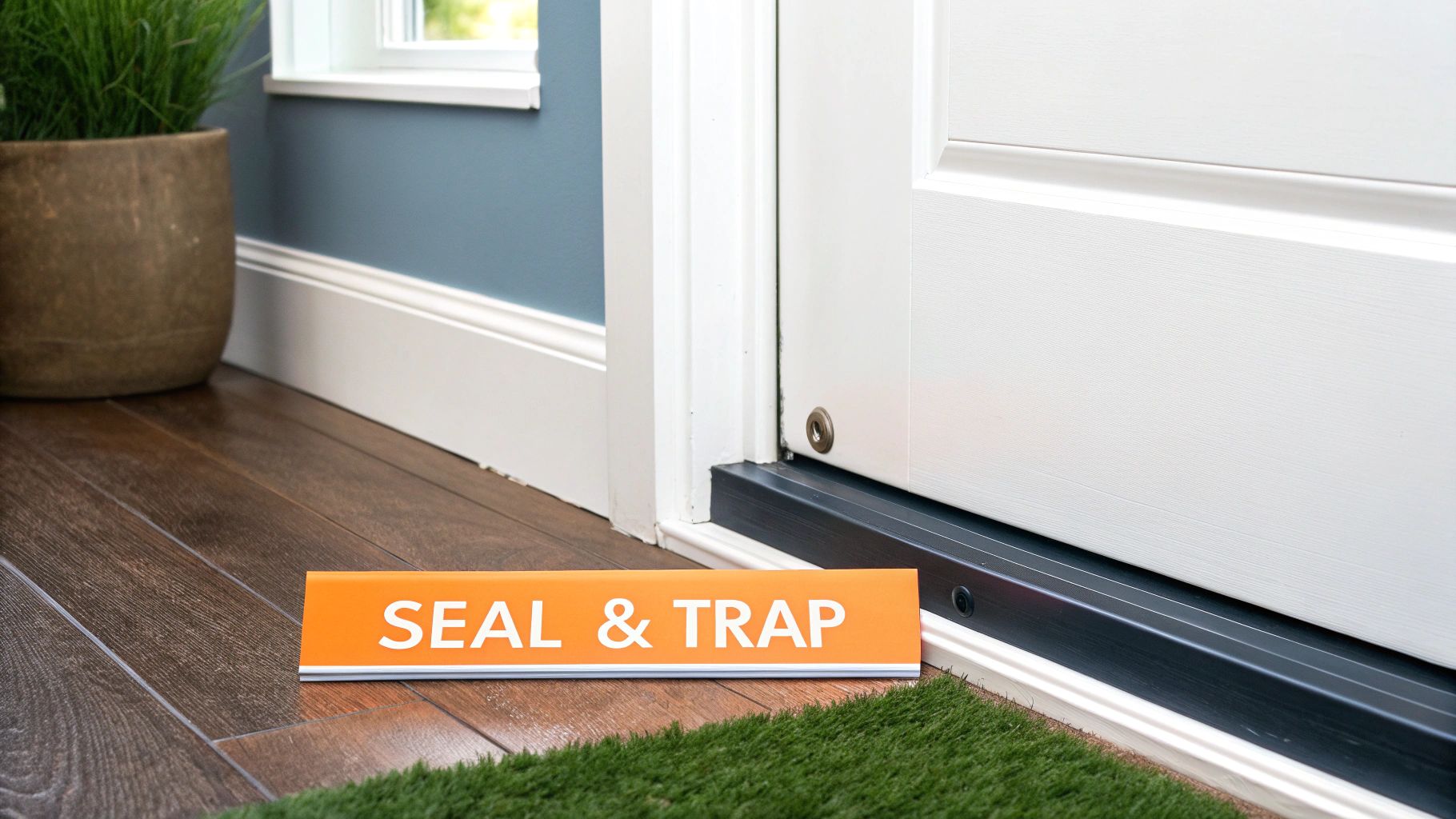
This method operates on two fronts: blocking entry points and capturing existing pests. Exclusion involves sealing cracks, installing door sweeps, and repairing screens to make your home impenetrable. Traps, such as snap traps for rodents or sticky traps for insects, are placed strategically to intercept and contain pests that have found their way indoors. The key is that these tools don't rely on poison, eliminating the risk of accidental ingestion by curious pets.
How to Use Barriers and Traps Safely and Effectively
Success with this method depends on strategic placement and consistent maintenance. The goal is to make your home a fortress against pests while ensuring any traps are completely inaccessible to your furry family members.
Step-by-Step Application:
- Inspect and Seal: Thoroughly examine your home's exterior and interior for gaps. Use caulk to seal cracks around windows, pipes, and foundations. Install weatherstripping or door sweeps on all exterior doors to close gaps.
- Strategic Trap Placement: Place traps where pests travel, not where your pets roam. For rodents, this means behind large appliances, inside cabinets, or in attic spaces. For insects, place sticky traps along baseboards and under sinks.
- Secure the Area: If a trap must be in a more open area, use a protective cover or place it inside a box that only a pest can enter. Never leave snap traps or sticky traps exposed where a pet could step on them or investigate them.
- Monitor Regularly: Check all traps daily. Promptly and safely disposing of captured pests prevents odors and secondary pest issues.
Important Note: While non-toxic, traps can still cause physical harm to pets. A curious paw or nose can get caught in a snap trap or stuck to a glue board. Always prioritize placement in areas that are 100% inaccessible to your pets.
Benefits and Limitations
Barriers provide a long-term, preventative solution, while traps offer immediate confirmation that you are catching pests. This combination is highly effective for monitoring and controlling localized pest activity. For a more permanent physical barrier against traditional lawn pests and to maintain a clean outdoor space, consider options like artificial grass. You can Discover the best artificial grass for pets to reduce outdoor pest habitats.
However, this method requires diligence. Barriers are only effective if all entry points are found and sealed, which can be challenging in older homes. Traps alone are often insufficient for eliminating a large-scale infestation, as they may not catch pests faster than they can reproduce. If you've sealed your home and are still seeing signs of a widespread problem, it's time to call a professional. For immediate help from a licensed expert, Call +1 855 224 3071 to secure your home.
5. Beneficial Insects (Predatory Species)
Fighting pests doesn't always mean setting traps or spraying solutions. One of the most natural and effective pet-safe pest control methods involves recruiting a tiny army to do the work for you. Introducing beneficial insects, or predatory species, into your garden and yard creates a self-regulating ecosystem where pests are managed by their natural enemies, eliminating the need for chemical interventions that could harm your pets.
This biological control method works by establishing a natural food chain. Predatory insects like ladybugs, lacewings, and praying mantises actively hunt and consume common garden pests such as aphids, mites, and caterpillars. This approach not only resolves the immediate pest problem but also creates a healthier, more balanced environment that is naturally resistant to future infestations.
How to Use Beneficial Insects Safely and Effectively
Success with this method depends on creating a welcoming environment for your new allies. It's about more than just releasing them; you need to provide the right conditions for them to thrive and establish a permanent population.
Step-by-Step Application:
- Identify the Pest: First, determine which pest is causing the problem. Different beneficial insects target different pests. For example, ladybugs are famous for devouring aphids, while parasitic wasps are excellent for controlling caterpillars and whiteflies.
- Purchase and Release: Order your chosen insects from a reputable garden supplier or online nursery. Release them during the early morning or late evening when it's cooler, which encourages them to stay in your garden rather than fly away immediately.
- Provide Food and Water: Beneficial insects need more than just pests to survive. Plant flowering plants like dill, fennel, and yarrow to provide nectar and pollen. A shallow dish of water with pebbles or marbles will give them a safe place to drink.
- Avoid All Pesticides: Stop using any chemical insecticides, even organic ones. These can harm or kill your beneficial insects, completely undoing your efforts.
Important Note: While these insects are harmless to humans and pets, their goal is to control outdoor pest populations. This method is primarily for gardens, yards, and outdoor container plants, not for addressing indoor infestations like cockroaches or ants.
Benefits and Limitations
Using beneficial insects is a proactive, long-term strategy for a healthy, pest-free garden that is completely safe for pets to roam in. It promotes biodiversity and reduces your reliance on chemicals. However, this is not a quick fix. It can take time for the predatory population to establish itself and bring a pest problem under control. This method is also highly specific to the pests they prey on and is ineffective for indoor pest issues. If you are dealing with a severe infestation that is already damaging your plants or moving indoors, you may need a more immediate solution. For a rapid assessment and professional help, Call +1 855 224 3071 to connect with an expert.
6. Enzymatic and Biological Cleaners
Pest control often focuses on killing bugs directly, but a smarter approach is to eliminate what attracts them in the first place. Enzymatic and biological cleaners are powerful, pet-safe pest control methods that tackle the root of the problem. Instead of poison, these solutions use beneficial bacteria and enzymes to break down and digest organic waste, effectively destroying the food sources and breeding grounds for pests like cockroaches, drain flies, and ants.
These cleaners work by targeting specific organic materials such as grease, food particles, and pet accidents. The enzymes act as catalysts to break down complex molecules into simpler forms that beneficial bacteria can consume. This process not only removes stains and odors but also eliminates the very things that pests rely on for survival, making your home far less inviting to them.
How to Use Enzymatic Cleaners Safely and Effectively
To get the most out of these biological agents, proper application is crucial. Unlike chemical cleaners that work instantly, enzymatic products need time to do their job. Always choose high-quality products from reputable brands like Nature's Miracle or Rocco & Roxie for common household use.
Step-by-Step Application:
- Target Problem Areas: Identify where pests breed or feed. This includes kitchen drains, garbage disposals, under appliances, grout lines, and areas with pet accidents.
- Apply Liberally: Spray the cleaner directly onto the target surface, ensuring it is thoroughly saturated. For drains, pour the recommended amount directly down the drain.
- Allow Dwell Time: For the biological action to work, the surface must remain moist. Let the product sit for at least 12-24 hours, or as directed by the manufacturer. Avoid rinsing it away immediately.
- Combine with Cleaning: After the dwell time, scrub the area to remove any loosened grime and residue. For severe pet accidents, specialized options are essential to neutralize odors and deter pests. You can learn more about effective professional pet urine removal methods to ensure the area is truly clean.
Important Note: While these cleaners are non-toxic, it's wise to ensure good ventilation during application and keep pets away from the wet, treated area until it is completely dry to prevent them from licking the product.
Benefits and Limitations
Enzymatic cleaners are a fantastic preventative measure and a key part of an integrated pest management plan. They are exceptionally safe for use around pets and children and are environmentally friendly. However, they are not a quick-fix insecticide. They don't kill pests on contact but rather eliminate the environment that supports them. They are most effective against pests attracted to organic buildup and may not impact pests like spiders or termites. For a widespread or stubborn infestation that persists despite diligent cleaning, these methods may not be sufficient. If you're overwhelmed, professional help is the best path forward. For a free consultation, Call +1 855 224 3071 to speak with an expert.
7. Ultrasonic and Electronic Pest Deterrents
The idea of driving pests away with silent, invisible waves might sound like science fiction. Yet, ultrasonic and electronic pest deterrents offer a modern, chemical-free approach to pest management. These plug-in or battery-operated devices are designed to repel pests by emitting high-frequency sound waves or electromagnetic pulses, creating an inhospitable environment without traps or poisons, making them a popular choice for pet-safe pest control methods.
The theory behind these devices is that the ultrasonic frequencies, which are inaudible to most humans and common pets like cats and dogs, disrupt the nervous systems of pests like rodents, roaches, and some insects. The sound is meant to be so irritating that it drives them out of the area. Electromagnetic devices, on the other hand, claim to alter the existing wiring in your walls, creating a field that pests find unbearable.
How to Use Ultrasonic and Electronic Pest Deterrents Safely and Effectively
For these devices to have any chance of working, strategic placement and realistic expectations are crucial. It's important to remember that their effectiveness is a subject of debate, with some users reporting success while scientific studies have shown mixed results. They are best used as a deterrent in a multi-pronged pest control strategy.
Step-by-Step Application:
- Choose the Right Location: Place units in open, central areas where you've noticed pest activity. Ultrasonic waves are like light; they do not penetrate walls, furniture, or curtains.
- Ensure Unobstructed Coverage: Each device covers a specific square footage. You will likely need multiple units for different rooms or floors to create an effective barrier.
- Vary the Placement: To prevent pests from becoming accustomed to the sound, periodically move the devices to different outlets within the same room.
- Monitor Your Pets: While the sounds are generally out of the hearing range for cats and dogs, smaller pets like hamsters, guinea pigs, or rabbits may be sensitive to them. Watch for any signs of stress or behavioral changes.
Important Note: Do not rely on these devices as your sole solution for an active infestation. Their primary function is as a deterrent, not an elimination tool. They are most effective when combined with other methods like sealing entry points and maintaining cleanliness.
Benefits and Limitations
The main appeal of electronic deterrents is their ease of use and the absence of chemicals, making them a clean and hands-off option. They are mess-free and require no refills or cleanup. However, their limitations are significant. The scientific community has not conclusively proven their effectiveness against all or even most pests. Hard surfaces can reflect the sound waves, but soft surfaces like carpets and curtains absorb them, reducing their reach. If you have tried these devices without success and are still dealing with a persistent pest problem, it may be time for a more definitive solution. For professional advice and immediate service, Call +1 855 224 3071 to speak with a licensed exterminator.
8. Integrated Pest Management (IPM) Programs
Pest control isn't just about reacting to an infestation; it's about a smarter, long-term strategy. Instead of relying on a single solution, Integrated Pest Management (IPM) is a comprehensive approach that combines multiple pet-safe pest control methods. It prioritizes prevention and monitoring, using the least toxic solutions first and only escalating when absolutely necessary, ensuring a safer environment for pets and family.
At its core, IPM is an ecosystem-based strategy that focuses on the long-term prevention of pests through a combination of techniques. This includes biological control, habitat manipulation, modification of cultural practices, and the use of resistant varieties. For homeowners, this means creating an environment that is unattractive to pests, which is the most effective pet-safe pest control method of all.
How to Use Integrated Pest Management Safely and Effectively
Implementing an IPM program requires a shift in mindset from reaction to prevention. It involves understanding pest life cycles and using that knowledge to manage them with minimal risk. Many professional pest management companies now specialize in IPM, offering tailored plans for homes with pets.
Step-by-Step Application:
- Monitor and Identify: Keep a detailed log of pest activity. Note the type of pest, where you see it, and how many. Proper identification is crucial for selecting the right control methods.
- Establish Thresholds: Decide on a level of pest presence you can tolerate. A single ant might not warrant action, but a trail of them does. This prevents overuse of treatments.
- Preventive Measures: Focus on exclusion and sanitation. Seal cracks and crevices, fix leaky pipes, store food in airtight containers, and maintain a clean home.
- Control and Evaluate: If pests exceed your threshold, start with the least-toxic methods like traps, diatomaceous earth, or beneficial insects. Only if these fail should you consider stronger options, preferably with professional guidance.
Important Note: A successful IPM program is a continuous cycle of monitoring, assessing, and implementing. It's not a one-time fix but an ongoing commitment to a healthy, pest-free home environment.
Benefits and Limitations
The primary benefit of IPM is its focus on safety and sustainability. By minimizing reliance on chemicals, it protects the health of your pets, family, and the environment. Many university extension services offer free, region-specific IPM guidance to help homeowners get started. However, IPM requires more effort and patience than simply spraying a pesticide. It can take time to see results, and it demands consistent participation from everyone in the household. If you're struggling to manage a persistent problem with these strategies, it's a sign you need professional help. To discuss a custom IPM plan with an expert, Call +1 855 224 3071 for a consultation.
Pet-Safe Pest Control: 8-Method Comparison
| Item | Implementation complexity | Resource requirements | Expected outcomes | Ideal use cases | Key advantages |
|---|---|---|---|---|---|
| Diatomaceous Earth (Food-Grade) | Low — simple dusting/application | Product, mask/gloves, brush; reapplication after moisture | Gradual contact-kill of crawling insects; long-lasting when dry | Indoor/outdoor perimeter, pet bedding, fleas, ticks | Non-toxic (food-grade), inexpensive, no insect resistance |
| Essential Oil‑Based Repellents | Low — dilution and spraying | Essential oils, carrier (water/soap), spray bottles; frequent reapplication | Short-term repellent effect; variable by pest and formulation | Quick repellency, deodorizing pet areas, light infestations | Pleasant scent, eco-friendly, safe when properly diluted |
| Nematodes (Beneficial Parasites) | Moderate — timing and soil prep required | Fresh live nematodes, sprayer, cool storage; moisture/temperature control | Effective larval control in soil; can be self-sustaining seasonally | Lawns, soil-dwelling pests, grubs, mosquito larvae | Biological, pet-safe, no chemical residue, targets larvae |
| Physical Barriers and Traps | Low–Moderate — placement and monitoring | Traps, exclusion materials (caulk, door sweeps), regular checks | Immediate capture/prevention; good monitoring but limited for large infestations | Rodent control, entry prevention, monitoring fly populations | No chemicals, visible results, cost-effective, pet-safe if placed correctly |
| Beneficial Insects (Predatory Species) | Moderate — release timing and habitat management | Purchased insects, suitable habitat (plants/water), sometimes repeated releases | Long-term biological suppression if established; slower onset | Gardens, orchards, outdoor pest control (aphids, whiteflies) | Sustainable control, pollination benefits, reduces pesticide need |
| Enzymatic and Biological Cleaners | Low — apply and maintain moisture/time | Enzymatic cleaner products, adequate drying/ventilation, repeat treatments | Removes breeding material and odors; reduces pest habitat | Post-infestation sanitation, carpets, upholstery, pet areas | Pet-safe, targets organic matter, multi-purpose cleaning benefit |
| Ultrasonic and Electronic Deterrents | Very low — plug-and-play | Devices, power source or batteries; occasional relocation | Inconsistent and debated repellency; best as supplementary measure | Supplemental deterrent in single rooms or whole-house coverage attempts | Non-toxic, low maintenance, no waste or chemicals |
| Integrated Pest Management (IPM) Programs | High — planning, monitoring, and coordination | Time, monitoring tools, multiple methods, possible professional help | Most effective long-term reduction; minimizes chemical use | Property- or program‑level control, recurring or severe pest problems | Sustainable, cost-effective over time, reduces resistance and exposure |
When DIY Isn't Enough: Know When to Call a Professional
Navigating the world of pest control when you have furry family members can feel like walking a tightrope. The primary goal is to create a safe, pest-free environment, but the fear of harming your pets with harsh chemicals often leads to inaction. This guide has equipped you with a robust toolkit of pet-safe pest control methods, moving you from a place of uncertainty to one of empowered action. We've explored everything from the microscopic power of food-grade diatomaceous earth to the strategic deployment of beneficial nematodes and predatory insects, providing you with a layered defense system that prioritizes your pet's well-being.
Recapping these powerful, non-toxic strategies highlights the core principle of modern pest management: prevention and targeted intervention are always superior to widespread chemical application. By sealing entry points, using enzymatic cleaners to eliminate attractants, and deploying physical traps, you create an inhospitable environment for pests. Embracing an Integrated Pest Management (IPM) approach allows you to combine these tactics, creating a comprehensive and adaptable strategy tailored to your home.
The Tipping Point: Recognizing the Limits of DIY
While methods like essential oil repellents and ultrasonic deterrents are excellent first-line defenses, it's crucial to recognize their limitations. These approaches are most effective for minor issues or as preventative measures. The true challenge arises when an infestation becomes entrenched, widespread, or involves pests that pose significant health or structural risks.
You've reached a critical tipping point and need professional help if you observe any of the following signs:
- Rapid Escalation: You're seeing more pests daily, or they are appearing in multiple rooms throughout your home. This indicates a well-established and reproducing population that DIY methods may not be able to contain.
- Structural Damage: Discovering gnawed wires, damaged wood from termites, or nests inside your walls are red flags. This type of damage requires immediate, expert intervention to prevent costly repairs and ensure your family's safety.
- Health-Risk Pests: Infestations of cockroaches, rodents, fleas, or ticks are not just a nuisance; they are vectors for diseases and allergens that can harm both humans and pets. Eradicating them swiftly and completely is a public health priority.
- Failed DIY Attempts: If you've diligently applied multiple pet-safe pest control methods from this list and the problem persists or worsens, it's a clear signal that the infestation's source or scale is beyond the scope of home remedies.
In these situations, delaying professional help can turn a manageable problem into a crisis. Don't risk your property or your family's health. For an immediate and expert assessment, you can Call +1 855 224 3071 to speak with a specialist who understands the urgency.
Partnering with a Pro: Ensuring a Pet-Safe Protocol
Hiring a professional exterminator doesn't mean you have to abandon your commitment to pet safety. In fact, a reputable, licensed pest control expert is your greatest ally. They have access to targeted, low-toxicity treatments and specialized application methods that are unavailable to the public. They can pinpoint the source of the infestation and apply solutions with surgical precision, minimizing any potential exposure to your pets.
When you contact a professional, be proactive. Clearly communicate that you have pets and require a pet-safe treatment plan. A qualified exterminator will walk you through their protocol, explaining what products they use, how they are applied, and what precautions you need to take, such as temporarily keeping your pet out of the treated area. For immediate help finding a vetted, local exterminator who specializes in these exact protocols, Call +1 855 224 3071. We connect you with 24/7 assistance to ensure the job is done right.
Your home is your sanctuary, and protecting everyone inside it, including your pets, is paramount. By mastering these DIY techniques and knowing precisely when to escalate to professional services, you can confidently manage any pest problem that arises. You are now equipped not just with methods, but with a strategy for lasting peace of mind.
Finding a trustworthy exterminator who genuinely understands pet-safe pest control methods can be overwhelming. Pest Control Service Finder simplifies the process by instantly connecting you with pre-screened, local professionals who specialize in family- and pet-friendly solutions. Stop guessing and get a customized, effective treatment plan for your home today by visiting Pest Control Service Finder.